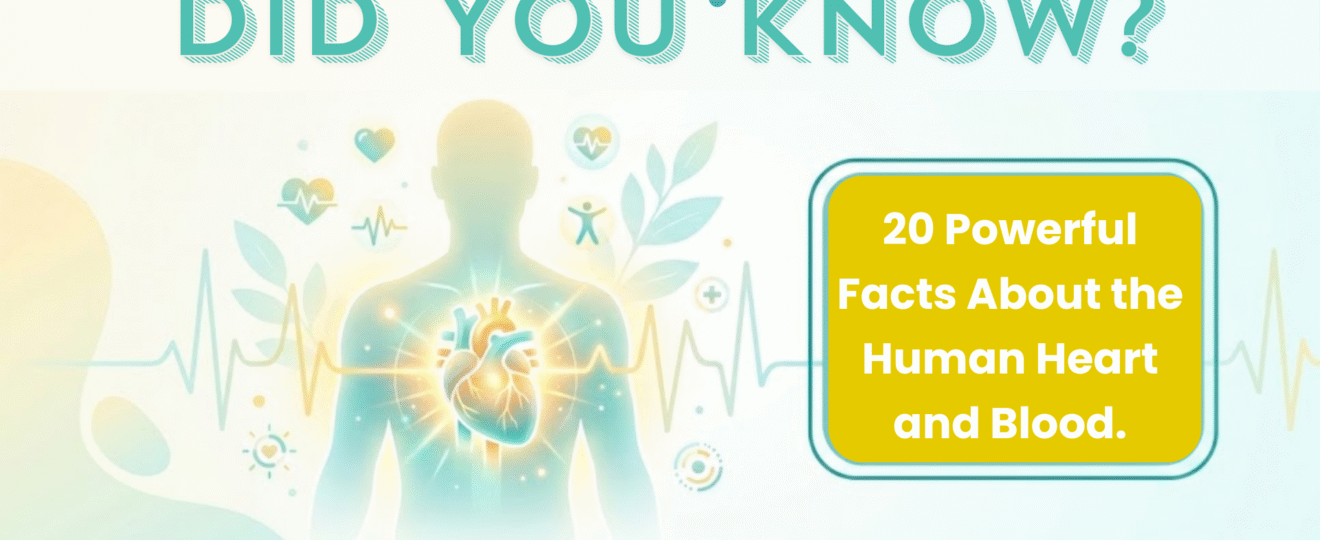
The human heart is one of the most hardworking organs in the body. It pumps blood, supplies oxygen and keeps every organ alive second by second. Your cardiovascular system is designed with extraordinary precision, and many of its functions happen automatically without you ever noticing.
In this article, you’ll explore 20 fascinating “Did You Know?” facts about the human heart and blood, revealing just how impressive and essential this system truly is.
20 Incredible Heart & Blood Facts You Should Know

- The human heart beats more than 3 billion times in an average lifetime.
This makes it one of the most durable and hardworking muscles.
- Your heart can keep beating even outside the body temporarily.
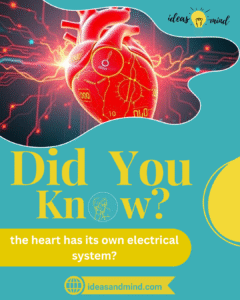
It has its own electrical system that produces heartbeats.
- Blood completes a full circulation around the body in just 20 seconds.
This includes delivering oxygen and picking up carbon dioxide.
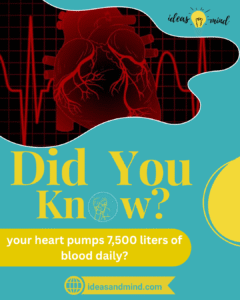
- The heart pumps about 7,500 liters of blood daily.
This continuous flow keeps every cell nourished.
- Laughter naturally improves heart health.
It reduces stress and improves blood flow.
- Heart muscle cells stop dividing after birth.
The heart grows by increasing cell size, not cell number.
- The heart has its own electrical system known as the cardiac conduction system.
This system controls your heartbeat rhythm.
- Blood makes up about 7–8% of your total body weight.
That’s several liters circulating nonstop.
- Red blood cells live for about 120 days.
After that, the body replaces them with fresh ones.
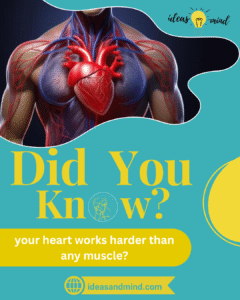
- Your heart works harder than any other muscle in your body.
It contracts about 100,000 times every day.
- Your body produces around 2 million red blood cells every second.
This helps maintain healthy oxygen levels.
- Blood travels through the veins at around 3 feet per second.
The speed varies depending on arteries, veins and capillaries.
- Women’s hearts beat faster than men’s on average.
This is due to differences in heart size and hormonal balance.
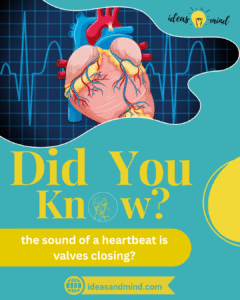
- The “lub-dub” sound of your heartbeat comes from heart valves closing.
These valves prevent blood from flowing backward.
- Your heart rate slows naturally while sleeping.
This helps conserve energy and restores the body.
- Dark chocolate can improve blood circulation.
It contains antioxidants that support heart health.
- Arteries carry oxygen-rich blood away from the heart.
Their thick walls help handle high pressure.
- Veins carry oxygen-poor blood back to the heart.
They contain valves to stop blood from flowing backward.
- The heart grows in size as you age.
However, too much growth can indicate health conditions.
- Regular exercise strengthens the heart muscle.
A stronger heart pumps blood more efficiently with less effort.
Why Understanding Heart Health Matters
Learning about the heart and blood system is important because cardiovascular diseases are among the most common health issues worldwide. Knowing how your heart works helps you:
- Protect yourself from long-term heart problems
- Improve energy levels through better circulation
- Make healthier lifestyle choices
- Understand the importance of exercise and diet
- Detect early signs of cardiovascular issues
A strong heart means a stronger, more resilient body.
Final Thoughts
The human heart is a powerful machine that works tirelessly from the moment you’re born until your very last breath. Its ability to pump blood, maintain rhythm and adapt to different conditions makes it one of the most remarkable organs in the body. By understanding these facts, you gain a deeper appreciation for your cardiovascular system and the importance of maintaining its health.