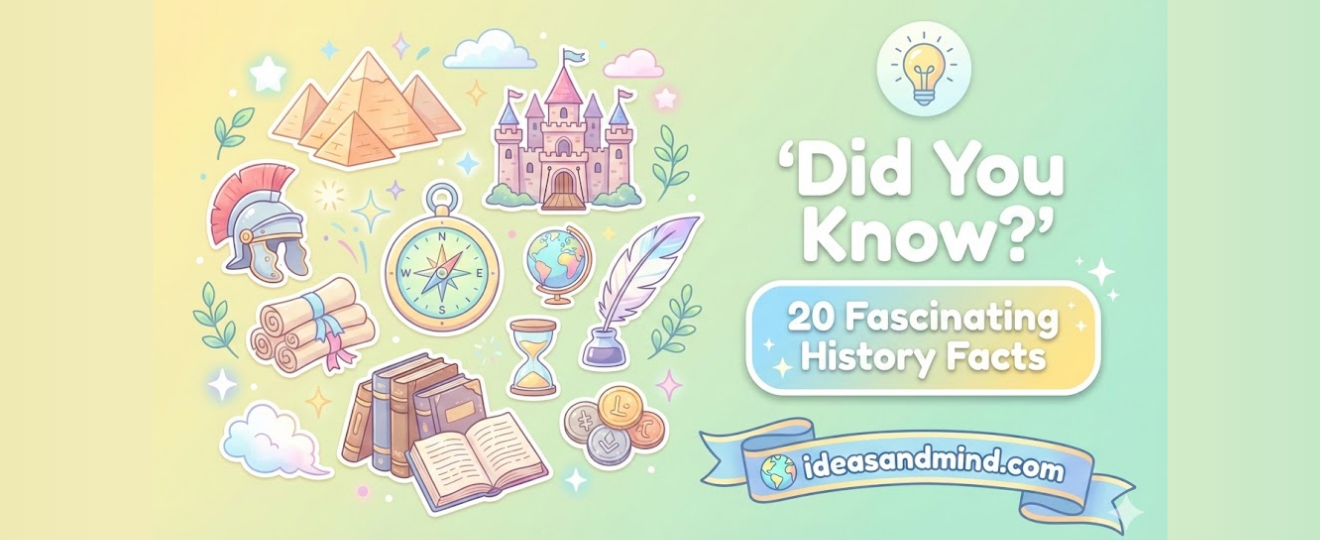
History is full of incredible discoveries, surprising truths and remarkable events that shaped the world we live in today. From ancient civilizations to scientific breakthroughs and cultural revolutions, the past holds countless stories that help us understand how humanity evolved.
In this article, you’ll explore 20 surprising “Did You Know?” history facts that highlight the brilliance, creativity and complexity of the human journey through time.
20 Interesting History Facts You Probably Didn’t Learn in School

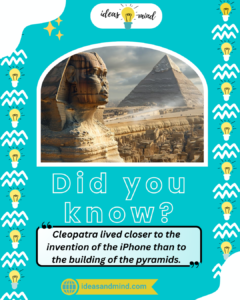




- Cleopatra lived closer to the invention of the iPhone than to the building of the pyramids.
She lived around 30 BC, while the pyramids were built over 2,000 years earlier.
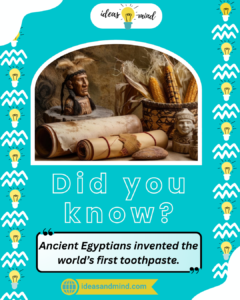
- Ancient Egyptians invented the world’s first toothpaste.
Their mixture included ashes, salt and herbs.
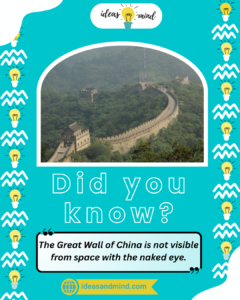
- The Great Wall of China is not visible from space with the naked eye.
This is a common myth; astronauts have confirmed it.
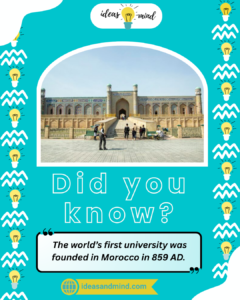
- The world’s first university was founded in Morocco in 859 AD.
The University of Al-Qarawiyyin is recognized as the oldest continuously operating university.
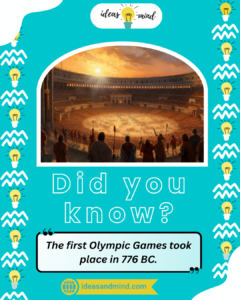
- The first Olympic Games took place in 776 BC.
They were held in Olympia, Greece, and featured running and wrestling events.
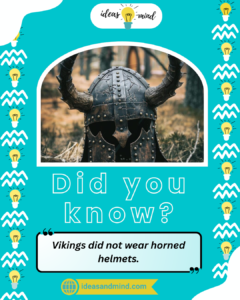
- Vikings did not wear horned helmets.
This myth started in the 1800s due to artistic interpretations.
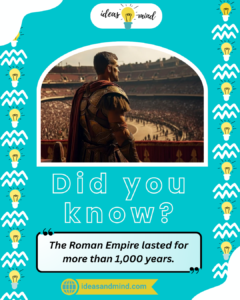
- The Roman Empire lasted for more than 1,000 years.
It influenced modern law, architecture, language and culture.
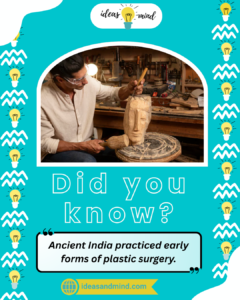
- Ancient India practiced early forms of plastic surgery.
Sushruta, an Indian surgeon, documented advanced techniques around 600 BC.
- The oldest written language is Sumerian.
It dates back to more than 5,000 years ago.
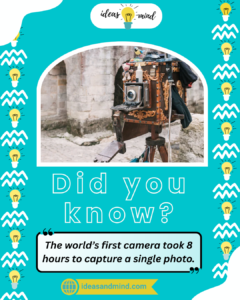
- The world’s first camera took 8 hours to capture a single photo.
The exposure process was extremely slow compared to today.
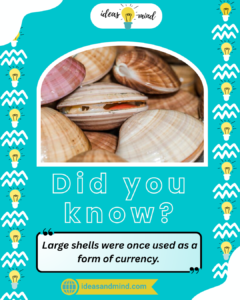
- Large shells were once used as a form of currency.
Cowrie shells were widely traded across Africa and Asia.
- Japan once had a class of female samurai known as Onna-Bugeisha.
They were trained in martial arts and military techniques.
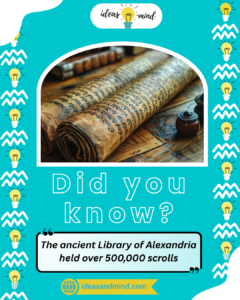
- The ancient Library of Alexandria held over 500,000 scrolls.
It was one of the greatest centers of knowledge in history.
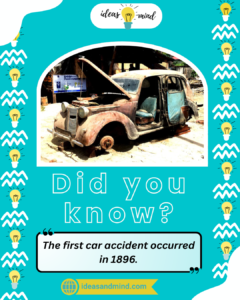
- The first car accident occurred in 1896.
A motorist collided with a pedestrian in London.
- People in medieval Europe used animals as alarm clocks.
Roosters were commonly relied upon for morning wake-ups.
- Potatoes were once more valuable than gold in certain regions.
Their nutritional value saved people during famines.
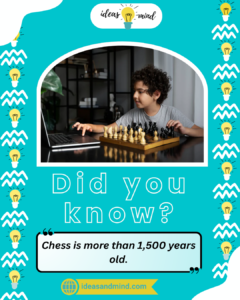
- Chess is more than 1,500 years old.
It originated in ancient India as “Chaturanga.”
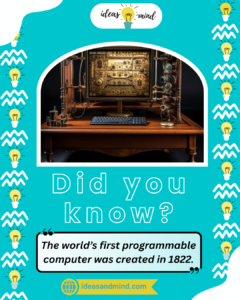
- The world’s first programmable computer was created in 1822.
Charles Babbage designed it, and Ada Lovelace wrote the first algorithm.
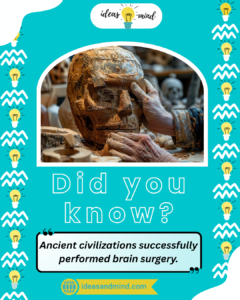
- Ancient civilizations successfully performed brain surgery.
Trepanation, the drilling of holes in the skull, was practiced for medical reasons.
- Rome had buildings with central heating systems.
The hypocaust system circulated hot air under floors and inside walls.
Why Learning History Matters
Understanding history helps us:
- Learn from past mistakes
- Understand cultural roots and traditions
- Appreciate scientific and technological progress
- Recognize the evolution of human society
- Develop critical thinking
- Gain insight into global politics and culture
History isn’t just about the past it shapes the future.
Final Thoughts
The world as we know it has been shaped by countless innovations, leaders and civilizations. These history facts offer just a glimpse into the rich and diverse stories that define humanity. By exploring historical knowledge, we gain a deeper appreciation for how far we’ve come and how much more we can learn.