Earth is a living, breathing system full of incredible natural wonders. From oceans and mountains to forests and weather patterns, the planet continuously evolves and adapts. Despite living on Earth our entire lives, most of us know surprisingly little about the natural world around us.
In this article, you’ll discover 20 fascinating “Did You Know?” facts about Earth and nature, showing how powerful, unpredictable and extraordinary our planet truly is.
20 Fascinating Earth & Nature Facts You Should Know
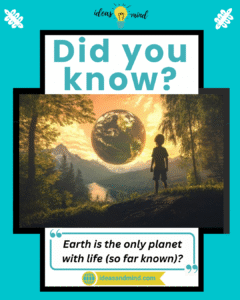


- Earth is the only known planet that supports life.
So far, no other planet has been found with the right combination of oxygen, water and temperature.
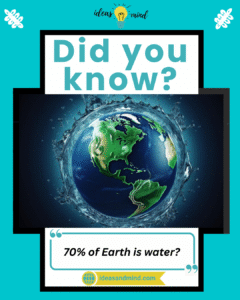
- About 70% of Earth’s surface is covered with water.
Most of this water is found in oceans.
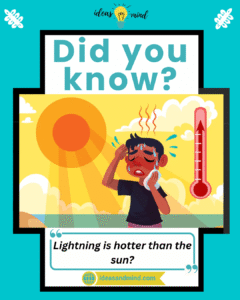
- Lightning is hotter than the surface of the sun.
A lightning bolt can reach temperatures of 30,000°C.
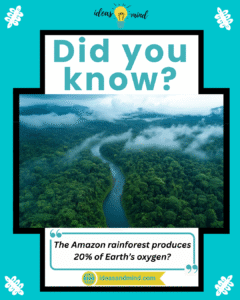
- The Amazon rainforest produces around 20% of the world’s oxygen.
It is often called the “lungs of the Earth.”
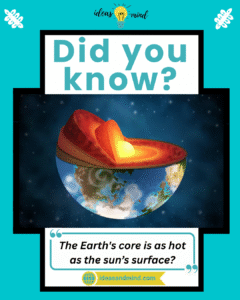
- Earth’s inner core is as hot as the sun’s surface.
Temperatures inside the core can reach up to 5,700°C.
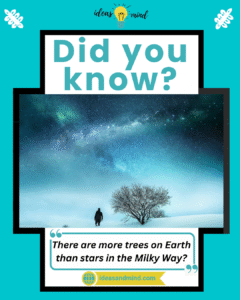
- There are more trees on Earth than stars in the Milky Way.
Earth has more than 3 trillion trees.
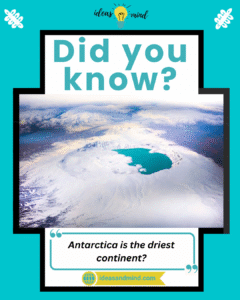
- Antarctica is the driest continent on Earth.
Some parts haven’t seen rain for millions of years.
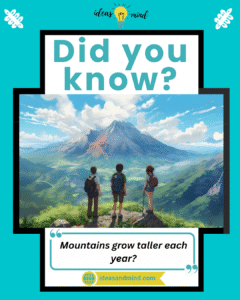
- Mountains grow taller every year.
Earth’s tectonic plates cause mountains to rise slowly over time.
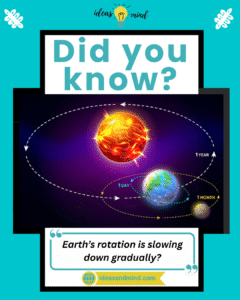
- Earth’s rotation is gradually slowing down.
Millions of years ago, one day lasted only 22 hours.
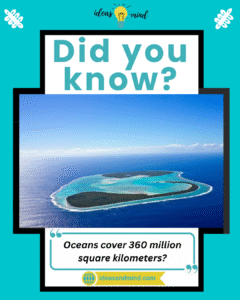
- Oceans cover more than 360 million square kilometers.
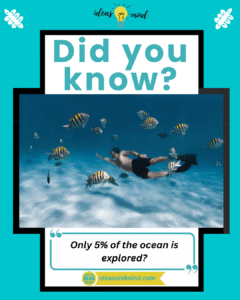
Yet, only about 5% of the ocean has been explored.
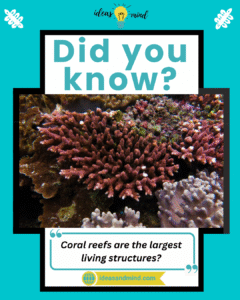
- Coral reefs are the largest living structures on the planet.
They support thousands of species and protect coastlines.
- Bamboo is one of the fastest-growing plants on Earth.
It can grow up to 3 feet in a single day.
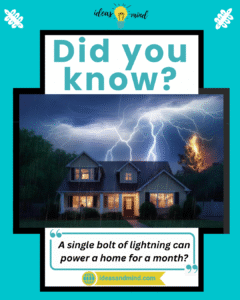
- A single bolt of lightning can power a home for a month.
The energy released is enormous.
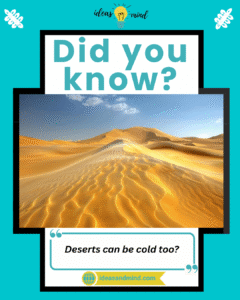
- Deserts can be extremely cold.
The Gobi Desert, for example, experiences freezing temperatures at night.
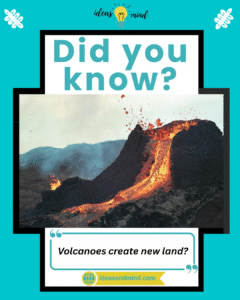
- Volcanoes help create new land.
Many islands were formed from volcanic eruptions.
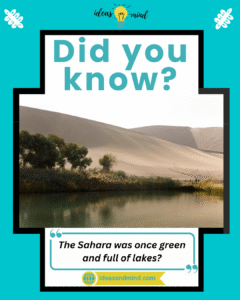
- The Sahara Desert was once a green forest.
Climate changes transformed it into the largest hot desert.
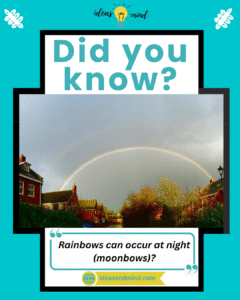
- Rainbows can appear at night.
These rare phenomena are called moonbows.
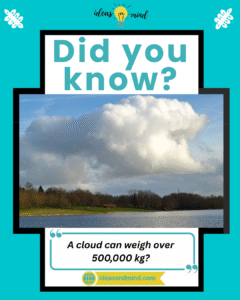
- Some clouds weigh more than 500,000 kilograms.
Because they are spread out, they still float in the air.
- Only 5% of the ocean has been explored.
Most ocean depths remain a complete mystery.
- Plants communicate using chemical signals.
They can warn neighboring plants about threats like insects.
Why Learning About Earth Matters
Understanding Earth, ecosystems, and nature helps us:
- Protect the environment
- Appreciate natural resources
- Understand climate change
- Recognize the value of biodiversity
- Develop sustainable lifestyle habits
- Make informed decisions about Earth’s future
The more we learn, the more we realize how interconnected everything is.
Final Thoughts
Earth is a unique and incredible planet full of natural wonders and extraordinary processes. These facts highlight just how powerful and dynamic our environment truly is. As we continue to explore and study our planet, we uncover new secrets that remind us to respect and protect the world we live in.