
Artificial Intelligence is no longer just a futuristic idea, it is shaping the world we live in today. From self-driving cars to voice assistants and smart devices, AI technology is becoming deeply integrated into everyday life. As advancements accelerate, the future of artificial intelligence and future technology is expected to transform industries, jobs, and human behavior in ways we’ve never seen before.
In this article, you’ll discover 20 surprising “Did You Know?” facts about AI and future technology, highlighting how innovation is redefining the modern world.
20 Impressive AI & Future Technology Facts You Should Know





- AI can learn patterns faster than the human brain.
Machine learning algorithms analyze data at incredible speed, improving accuracy over time.
- Robots can now perform complex surgeries with extreme precision.
These advancements reduce human error and improve recovery times.
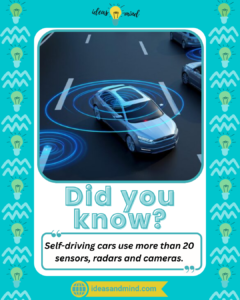
- Self-driving cars use more than 20 sensors, radars and cameras.
They constantly scan the environment to make driving decisions.
- AI can predict diseases years before symptoms appear.
Deep learning models analyze medical data to detect early warning signs.
- Nearly 40% of global jobs may be automated in the next 20 years.
Automation could reshape the workforce and create new career opportunities.
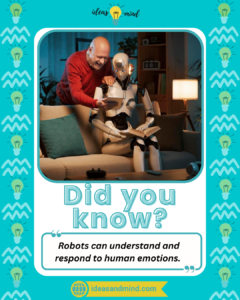
- Robots can understand and respond to human emotions.
This field is known as emotional AI or affective computing.
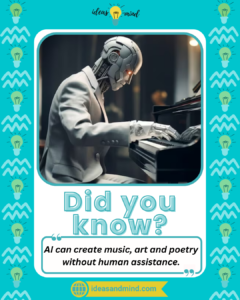
- AI can create music, art and poetry without human assistance.
Generative AI models learn styles and produce original creative content.
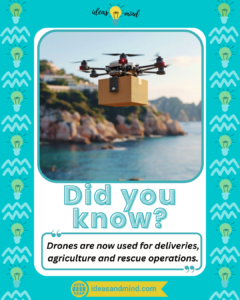
- Drones are now used for deliveries, agriculture and rescue operations.
Their precision helps in dangerous or inaccessible areas.
- Quantum computers are millions of times faster than traditional computers.
They solve complex problems that normal computers cannot handle.
- Smart homes learn your habits automatically.
They adjust lighting, temperature and energy use based on your daily routines.
- AI can translate languages instantly through neural networks.
This reduces language barriers for communication and business.
- Wearable technology can track heart rate, sleep and stress levels in real time.
These devices help monitor long-term health and fitness.
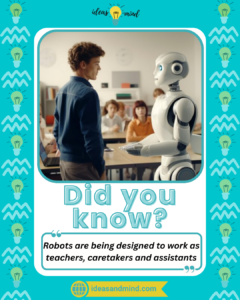
- Robots are being designed to work as teachers, caretakers and assistants.
They are already used in classrooms, hospitals and elderly care.
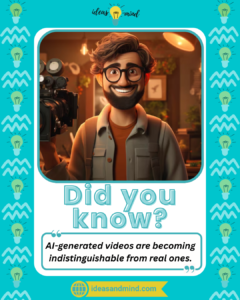
- AI-generated videos are becoming indistinguishable from real ones.
Deepfake technology can replicate voices, faces and movements.
- Smartphones rely on AI for photography, facial recognition and voice commands.
AI enhances image quality and improves device performance.
- AI can predict earthquakes and natural disasters using data patterns.
This helps reduce damage and protect lives.
- Scientists are developing artificial skin that feels like human skin.
This innovation will be used in robotics and medical applications.
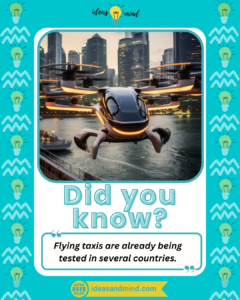
- Flying taxis are already being tested in several countries.
Urban air mobility could transform transportation.
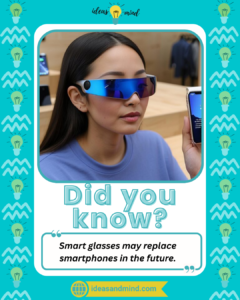
- Smart glasses may replace smartphones in the future.
They will project digital screens and information directly into your vision.
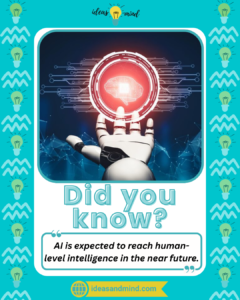
- AI is expected to reach human-level intelligence in the near future.
This milestone is known as Artificial General Intelligence (AGI).
Why AI and Future Technology Knowledge Matters
Understanding AI, automation, and future technology helps you:
- Prepare for changes in jobs and industries
- Stay competitive in the digital world
- Improve productivity through smart tools
- Understand data, privacy and cybersecurity
- Leverage new opportunities in tech-driven markets
Technological literacy is becoming essential for everyone, not just IT professionals.
Final Thoughts
Artificial Intelligence and future technologies are reshaping the world faster than we can imagine. These 20 facts show how innovation is pushing boundaries in health, science, communication and daily life. As AI continues to evolve, it will open doors to new possibilities and transform the foundation of modern society.