
The ocean covers more than 70% of the Earth’s surface, yet it remains one of the least explored places on the planet. Beneath the waves lies a mysterious world filled with extraordinary creatures, ancient formations, and extreme environments that humans are only beginning to understand.
In this article, you’ll discover 20 surprising “Did You Know?” facts about the ocean and the deep sea, showcasing just how powerful and unexplored our underwater world truly is.
20 Incredible Ocean & Deep-Sea Facts You Need to Know
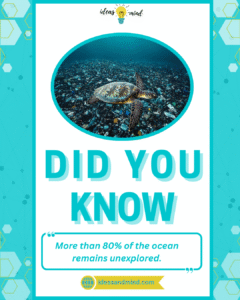
- More than 80% of the ocean remains unexplored.
Scientists have mapped Mars more thoroughly than Earth’s oceans.
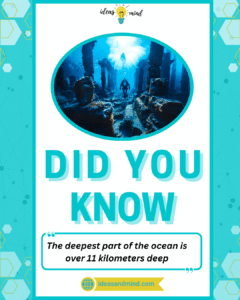
- The deepest part of the ocean is over 11 kilometers deep.
Known as the Mariana Trench, it is deeper than Mount Everest is tall.
- The ocean produces more than 50% of the Earth’s oxygen.
Much of this comes from phytoplankton near the surface.
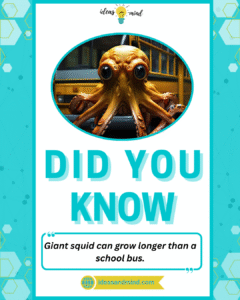
- Giant squid can grow longer than a school bus.
These deep-sea creatures remain extremely rare to observe.
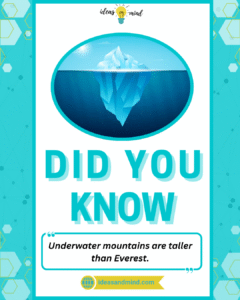
- Underwater mountains are taller than Everest.
Seamounts rise thousands of meters from the ocean floor.
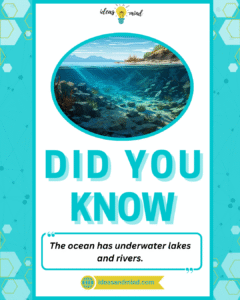
- The ocean has underwater lakes and rivers.
Differences in salinity create natural underwater “pools.”
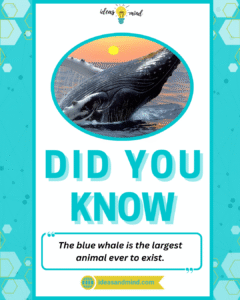
- The blue whale is the largest animal ever to exist.
It can reach up to 30 meters in length.
- Sea cucumbers breathe through their anus.
This unique adaptation helps them survive deep-sea conditions.
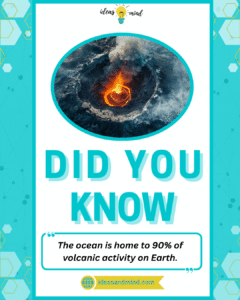
- The ocean is home to 90% of volcanic activity on Earth.
Most volcanic eruptions occur beneath the surface.
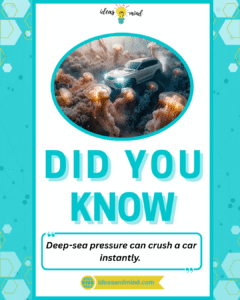
- Deep-sea pressure can crush a car instantly.
Pressure increases significantly with depth, making exploration difficult.
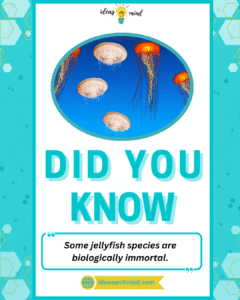
- Some jellyfish species are biologically immortal.
They can revert to earlier life stages to avoid death.
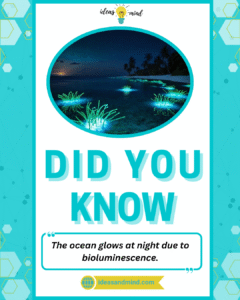
- The ocean glows at night due to bioluminescence.
Organisms like plankton create natural underwater light.
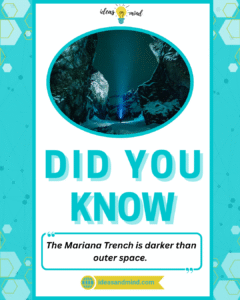
- The Mariana Trench is darker than outer space.
Sunlight cannot reach its deepest regions.
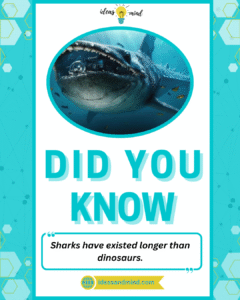
- Sharks have existed longer than dinosaurs.
Sharks are over 400 million years old.
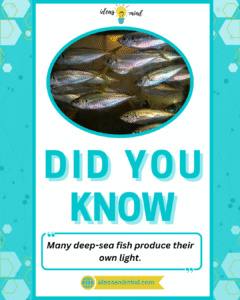
- Many deep-sea fish produce their own light.
This helps them hunt, hide or attract mates.
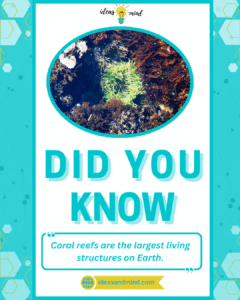
- Coral reefs are the largest living structures on Earth.
They are home to thousands of marine species.
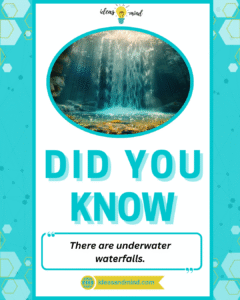
- There are underwater waterfalls.
Cold, dense water flows beneath warm water, creating a waterfall effect.
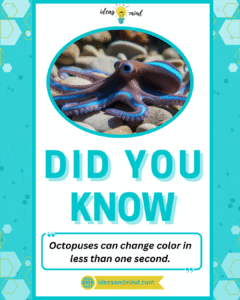
- Octopuses can change color in less than one second.
They use skin cells called chromatophores to camouflage instantly.
- The ocean stores more than 90% of Earth’s heat.
This helps regulate global climate.
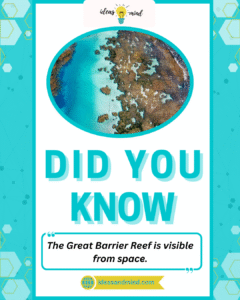
- The Great Barrier Reef is visible from space.
It is the world’s largest reef system and a UNESCO World Heritage Site.
Why the Ocean Matters
Learning about the ocean, marine life, and the deep sea helps us:
- Understand climate change and weather patterns
- Protect endangered marine species
- Preserve coral reefs and natural ecosystems
- Discover new medicines and scientific innovations
- Realize how much of our planet still remains unexplored
The ocean influences every aspect of life on Earth.
Final Thoughts
The ocean is a mysterious world filled with wonders, many of which we have yet to uncover. From bioluminescent creatures to deep trenches and underwater mountains, the ocean continues to inspire scientists and explorers. These facts highlight the importance of protecting our seas and respecting the life they sustain.