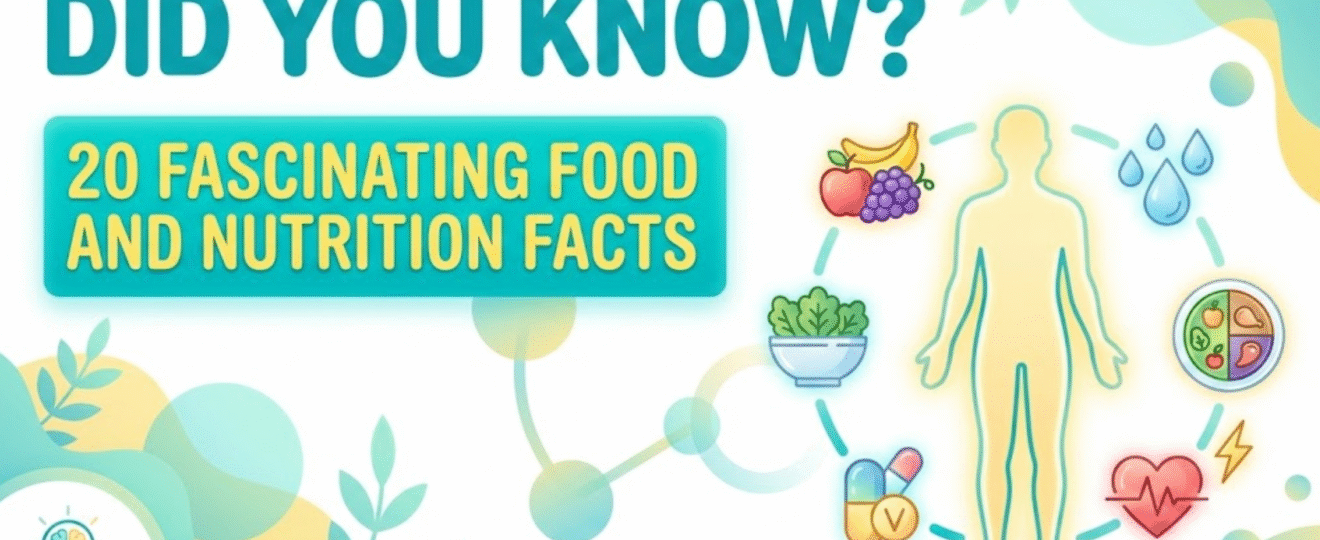
Food is more than just fuel it affects your energy, mood, memory, immunity, and overall health. What you eat shapes how your body functions on a daily basis. Yet, most people know very little about the science behind everyday foods.
In this article, you’ll discover 20 surprising “Did You Know?” food and nutrition facts that reveal the true power of healthy eating and how different foods impact your body.
20 Interesting Food & Nutrition Facts You Should Know


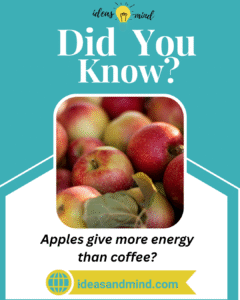





- Apples provide more energy than coffee.
They contain natural sugars and fiber that release energy slowly and steadily.
- Honey never spoils and can last thousands of years.
Its natural enzymes and low moisture make it self-preserving.
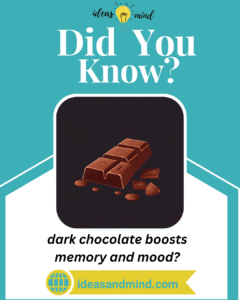
- Dark chocolate boosts memory and brain function.
It contains antioxidants that support the brain and improve mood.
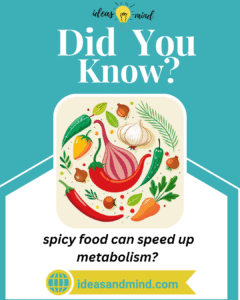
- Spicy foods can speed up your metabolism.
Capsaicin helps your body burn calories more efficiently.
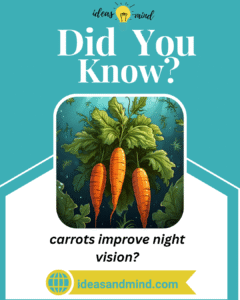
- Carrots improve night vision due to beta-carotene.
Your body converts it into vitamin A, essential for eye health.
- Lemons contain more sugar than strawberries.
Their sour taste hides the natural sweetness inside.
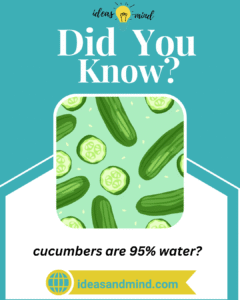
- Cucumbers are 95% water.
They help keep your body hydrated and cool.
- Popcorn is healthier than most chips.
It is high in fiber and low in calories when eaten without excessive butter.
- Bananas are natural mood boosters.
They contain serotonin precursors that support emotional well-being.
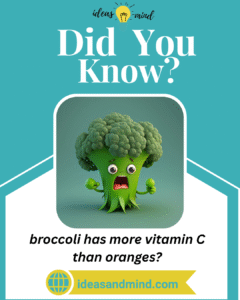
- Broccoli has more vitamin C than oranges.
This makes it excellent for boosting your immune system.
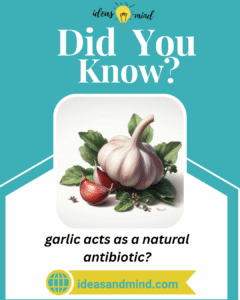
- Garlic acts as a natural antibiotic.
It fights bacteria and supports heart health.
- Watermelon reduces muscle soreness.
It contains citrulline, which improves blood flow.
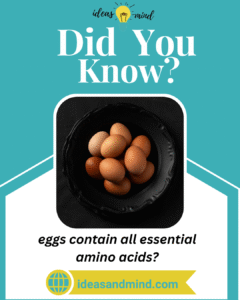
- Eggs contain all essential amino acids.
They are considered one of the best protein sources.
- Almonds belong to the peach family.
Both come from similar types of flowering trees.
- Pineapple contains enzymes that break down protein.
This is why your mouth may feel slightly sensitive when eating too much.
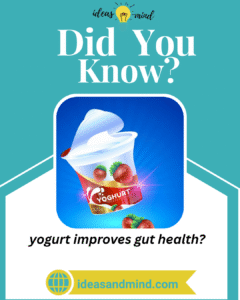
- Yogurt improves gut health.
It contains probiotics that support digestion and immunity.
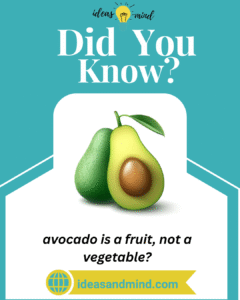
- Avocado is a fruit, not a vegetable.
It is rich in healthy fats that support the heart and brain.
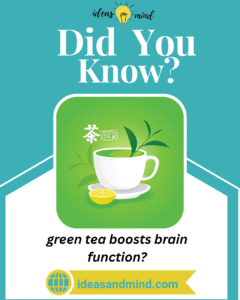
- Green tea boosts brain function and metabolism.
It contains antioxidants that enhance fat burning and reduce inflammation.
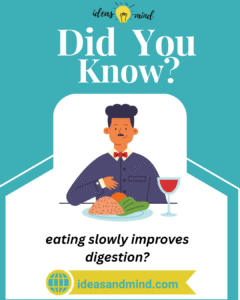
- Eating slowly improves digestion and nutrient absorption.
Your brain needs time to register fullness signals.
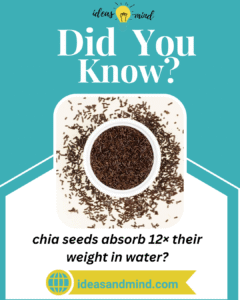
- Chia seeds absorb up to 12 times their weight in water.
This makes them excellent for hydration and digestion.
Why Understanding Food Matters
Learning about nutrition, healthy foods, and the science behind eating helps you:
- Improve energy levels
- Strengthen your immune system
- Support heart and brain health
- Maintain healthy weight
- Reduce cravings and overeating
- Improve digestion and gut health
Small changes in your diet create long-term improvements in your body.
Final Thoughts
Food has a direct impact on how you think, feel and perform. By understanding the science behind everyday foods, you can make better choices that improve your overall health. These food and nutrition facts remind us that healthy eating is not complicated it’s about knowing what your body needs and giving it the right fuel.