Sleep is one of the most important functions of the human body, yet it remains one of the least understood. While you rest, your brain, nervous system, and hormones work together to repair your body, boost memory and support emotional balance. Dreams, on the other hand, reveal how powerful and creative your subconscious mind is.
In this article, you’ll discover 20 surprising “Did You Know?” sleep and dream facts that explain why sleep is essential and how your mind behaves at night.
20 Fascinating Sleep & Dream Facts You Never Knew










- Humans spend one-third of their lives sleeping.
This means the average person spends around 25 years asleep.
- You forget up to 90% of your dreams within 10 minutes of waking.
The brain doesn’t store most dream details unless you consciously recall them.
- Dreams help your brain organize and store memories.
This is why sleep is essential for learning and problem-solving.
- You cannot snore and dream at the same time.
Snoring usually occurs in non-REM sleep, while dreaming happens during REM.
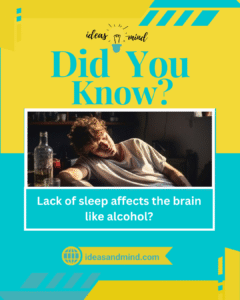
- Lack of sleep affects the brain similarly to alcohol.
Poor sleep weakens judgment, reaction time and concentration.
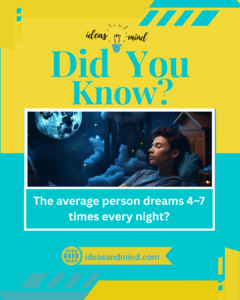
- Most people dream between 4 to 7 times every night.
These dreams happen during different sleep cycles.
- People who are blind also dream.
Their dreams include sounds, emotions and senses rather than visuals.
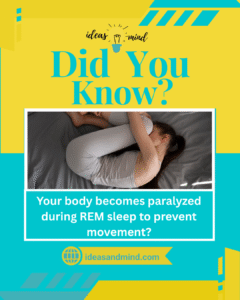
- Your body becomes temporarily paralyzed during REM sleep.
This prevents you from acting out your dreams.
- The brain is more active at night than during the day.
This is especially true during deep sleep and dream stages.
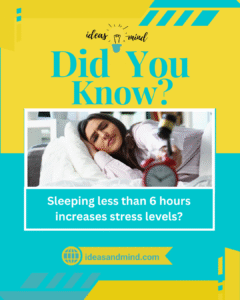
- Sleeping less than 6 hours increases stress levels.
Lack of sleep elevates cortisol, the stress hormone.
- External sounds can influence your dreams.
For example, a phone ringtone may become part of the dream.
- Humans are the only mammals that delay sleep voluntarily.
Animals sleep whenever their body needs rest.
- Nightmares are more common in children.
Their brains are still developing emotional processing.
- Sleeping on your left side improves digestion.
This position reduces acid reflux and improves stomach function.
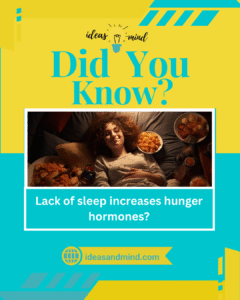
- Lack of sleep increases hunger hormones.
Sleep deprivation boosts ghrelin, which increases appetite.
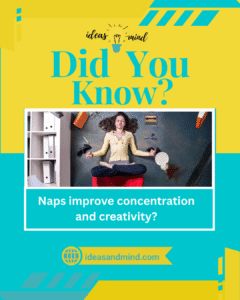
- A short nap improves memory, focus and creativity.
10–20 minute naps are the most effective.
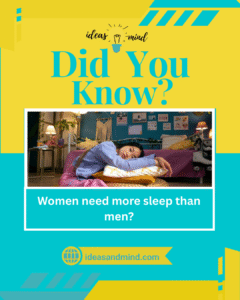
- Women need more sleep than men on average.
Their brains multitask more, requiring longer recovery.
- You can solve problems while dreaming.
This is due to the brain’s creative and flexible thinking during REM sleep.
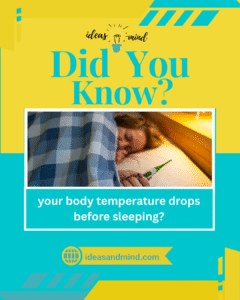
- Your body temperature drops just before falling asleep.
This signals the brain that it is time to rest.
- Dreams play a key role in emotional healing.
They help you process stress, trauma and unresolved feelings.
Why Sleep and Dream Facts Matter
Understanding your sleep cycle, dream patterns, and nighttime brain activity can help you:
- Improve sleep quality
- Reduce stress and anxiety
- Enhance memory and learning ability
- Strengthen emotional resilience
- Boost overall mental and physical health
Poor sleep affects every part of your body, so knowing how sleep works is essential for a healthier lifestyle.
Final Thoughts
Sleep is not just rest, it’s a powerful biological process that restores your body, sharpens your mind and improves your emotional well-being. Dreams, although mysterious, play an essential role in memory, creativity and mental balance. By understanding these sleep and dream facts, you can develop better sleep habits and improve your overall health.